Are you aging faster or slower than your peers? Discover science-backed ways to measure and improve your true rate of aging. Learn which at-home kits are worth it and how to interpret results with confidence.
Understanding Your Biological Age
Chronological age counts years. Biological age estimates how “old” your body functions based on molecular and physiological signals. A younger biological age than your birthday years typically correlates with better healthspan, lower disease risk, and improved performance, while an older biological age can flag areas to target with lifestyle changes.
In the US, more people are using biological age testing to establish a baseline, track progress after diet and exercise tweaks, validate longevity supplements, and personalize training and recovery. The key is pairing a credible test with consistent retesting and actionable habits—sleep, nutrition, activity, and stress management—to nudge your biology in the right direction.
How Biological Age Testing Works
Most leading kits analyze one of three scientific signals:
- DNA methylation “epigenetic clocks”: Subtle chemical tags on DNA turn genes on or off. Patterns of these tags shift predictably with aging. Algorithms—originating from academic work such as Horvath’s clock and continuing with newer models like PhenoAge and DunedinPACE—convert your methylation pattern into an age estimate and, in some cases, a “pace of aging.”
- Glycan profiling: Sugar structures attached to IgG antibodies change with inflammation and aging. Analyzing your glycan signature provides an age-related readout that’s sensitive to lifestyle changes.
- Composite biomarker models: Age is estimated from a panel of standard blood markers (e.g., glucose, lipids, hsCRP) using machine-learning models trained on large datasets.
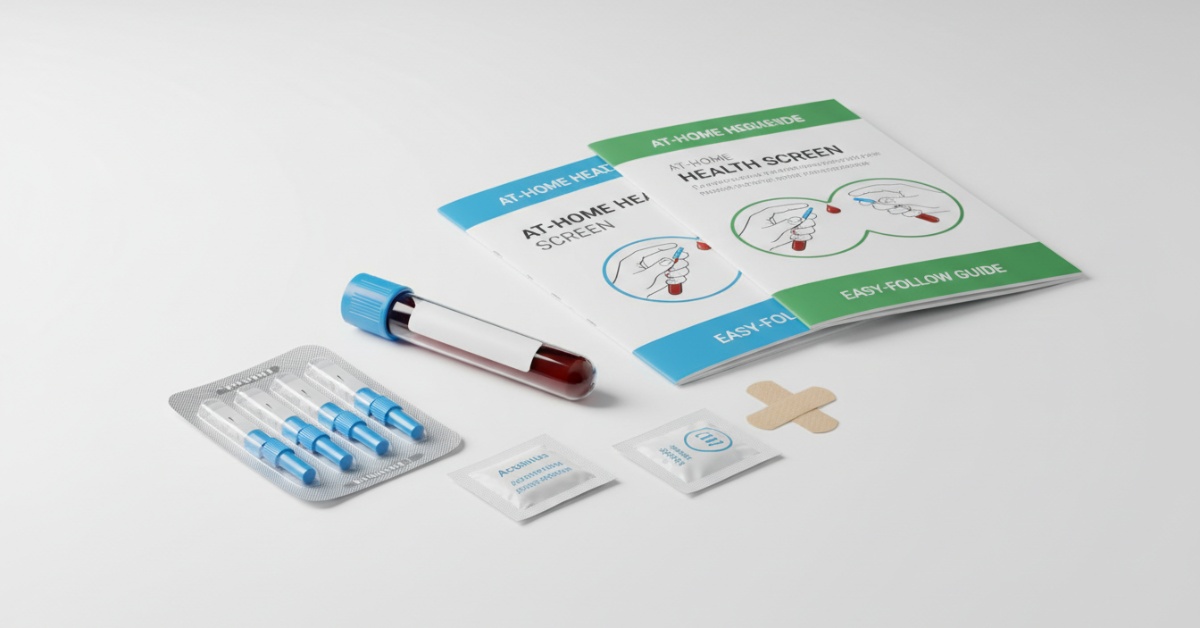
Sample collection is simple at home—typically saliva, cheek swab, or a finger-prick dried blood spot—then shipped to a certified lab for analysis. Turnaround time ranges from two to six weeks depending on the provider and method. It’s worth noting that results can vary slightly between tests and even between runs, so many experts recommend retesting every 3–6 months to track directionality rather than fixating on a single number. For a balanced overview of benefits and limitations, see NPR coverage of biological age tests.
Biological Age Testing Kits
Today’s kits differ mainly by the science they use, the sample type, and the depth of reporting. The following well-known options are available to US customers:
- Elysium Health Index: A saliva-based DNA methylation test designed for convenient, periodic tracking. It reports your biological age and additional context to help you monitor changes over time. Learn more at Elysium Index.
- TruDiagnostic TruAge: Uses dried blood spots for robust DNA methylation analysis and offers multiple reports, including pace of aging, immune age, and system-specific insights (depending on the package). Explore options at TruDiagnostic.
- myDNAge by Zymo Research: Among the earliest consumer epigenetic tests, leveraging Horvath’s clock methodology on blood or urine samples. See details at myDNAge.
- GlycanAge: A finger-prick test that measures IgG glycans for a non-DNA approach, often chosen by people wanting a responsive inflammation-related metric. Check availability at GlycanAge.
Many US-based labs are CLIA-certified, and most providers include prepaid shipping and digital dashboards. Expect clear instructions, small lancets for finger-prick kits, and online consent forms. Results are for wellness insights and are not intended to diagnose or treat diseases.
Best Biological Age Testing Kits
Choosing a “best” kit depends on your goals, budget, and how you plan to act on the data. Consider the following:
- Accuracy and method: DNA methylation tests lead the field for aging prediction; glycan tests add a complementary inflammation lens; biomarker composites can leverage bloodwork you may be doing already.
- Reporting depth: Some kits provide only a single age score; others add pace of aging, organ-system models, and actionable guidance.
- Sample preference: Saliva and cheek swabs are frictionless; finger-prick is quick; dried blood spot can support deeper analyses.
- Budget and retesting: If you plan to retest 2–4 times per year, factor in total annual costs and any subscription discounts.
Below is a comparison of popular US options with typical pricing. Prices are approximate and subject to change.
| Provider / Kit | Method & Sample | Approx. Price (USD) |
|---|---|---|
| Elysium Health Index | DNA methylation; saliva | $499 per test |
| TruDiagnostic TruAge Complete | DNA methylation; dried blood spot | $499–$549 per test |
| myDNAge (Horvath-based) | DNA methylation; blood or urine | ~$299 per test |
| GlycanAge | IgG glycans; finger-prick blood | $349–$499 per test |
| InsideTracker InnerAge 2.0 | Composite blood biomarkers; venous or finger-prick | $179 add-on or ~$299 standalone |
| Tally Health (TallyAge) | DNA methylation; cheek swab | ~$229–$299 per test |
If you want a simple first step, Elysium’s saliva kit is user-friendly and designed for periodic retesting. For deeper analytics and pace-of-aging metrics, TruDiagnostic stands out. Budget-minded buyers often start with myDNAge, while GlycanAge is compelling if you prefer a non-DNA lens that’s responsive to lifestyle changes. If you already pull bloodwork yearly, InnerAge 2.0 can piggyback on those labs.
Biological Age Testing Kits: What To Expect
From order to insight, the process is straightforward:
- Order and registration: Purchase online, create an account, and register the kit ID to ensure your sample is tracked.
- Collect at home: Follow instructions carefully, especially timing (no eating/drinking before saliva; warm hands for finger-pricks).
- Ship promptly: Use prepaid mailers. Most kits include stabilizers, but prompt shipping helps maintain sample integrity.
- Get results: Turnaround is usually 2–6 weeks. Expect a dashboard with your biological age, comparison to chronological age, and trend graphs if you retest.
Understanding Your Biological Age: Making Sense of Results
Your readout typically includes:
- Biological age: The core estimate. Being “younger” than your chronological age by 3–5 years is common among highly active individuals, while a higher age suggests room for lifestyle optimization.
- Pace of aging or risk indices: Some tests provide a rate (e.g., 0.95 years of biological aging per calendar year). Values below 1.0 indicate slower aging; above 1.0 suggests faster.
- Context and recommendations: Many dashboards highlight sleep, nutrition, exercise, stress, and supplement strategies shown to influence aging-related markers.
To act on your data:
- Focus on fundamentals: Prioritize 7–9 hours of sleep, resistance plus aerobic training, a protein- and fiber-rich diet (Mediterranean-style), and stress-reduction practices.
- Make one change at a time: Adjust workouts or diet for 8–12 weeks, then retest to confirm directionality.
- Track consistency: Use wearables or logs to ensure you’re actually implementing changes that could shift your biology.
- Retest thoughtfully: Schedule 2–4 tests per year if you’re actively iterating; otherwise, annual checks can suffice.
US Considerations: Privacy, Legitimacy, and Practicalities
- Lab quality: Look for CLIA-certified labs and peer-reviewed methods. US consumers can expect HIPAA-grade data handling from leading providers.
- Privacy and data use: Read consent forms carefully. Decide whether you want your de-identified data used for research or marketing.
- Physician involvement: These are wellness tests; they don’t diagnose disease. Discuss concerns and major changes with a healthcare professional.
- Payment and benefits: Some US buyers use FSA/HSA funds for qualifying wellness tests—check your plan specifics.
- Shipping and support: Most companies ship nationwide and provide chat or email support for collection questions.
Final Takeaways
Biological age testing kits can help you quantify what matters: how your body is actually aging. DNA methylation methods lead for aging prediction, glycan tests offer a complementary inflammation-sensitive view, and blood biomarker composites work well if you already test regularly. Whichever kit you choose, the value lies in measured experimentation—establish a baseline, change one thing at a time, and use your next result to validate the impact. For reputable options, explore Elysium Index, TruDiagnostic, myDNAge, and GlycanAge—then put your insights to work for a longer, stronger life.